
How each one works
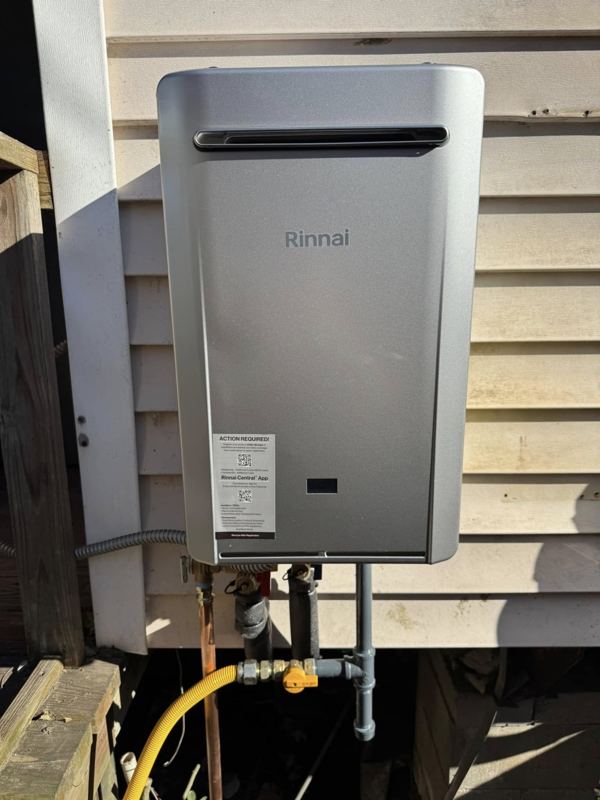
A tank heater keeps 40 to 50 gallons of water hot around the clock. A tankless unit heats water only when you open a tap, using a powerful gas burner or electric elements.
Up-front cost vs. long-term cost
Tankless units cost more to buy and install, especially if the home needs a larger gas line, new venting or an electrical upgrade. They use less energy because they aren't keeping a tank hot all day, and they typically last longer. Over the life of the unit, the gap narrows. We'll give you a firm price on both options for your home.
Why Florida is good tankless territory
Tankless units have to raise incoming water to shower temperature on the fly. In Florida, groundwater comes in much warmer than in northern states, so the same unit delivers more hot water here.
Who should choose which
- Choose tankless if you run out of hot water, want to free up closet or garage space, or plan to stay in the home for years.
- Choose a tank if you want the lowest up-front cost, the fastest replacement, or your home's gas or electrical service would need major upgrades.
Maintenance matters for both
Tanks should be flushed to clear sediment. Tankless units need periodic descaling, especially with hard water. Skipping maintenance is the most common reason either type dies early.
Ready to compare prices for your home? Book a water heater diagnostic.
Need a plumber in Volusia County?
$99 diagnostic, waived with approved work. Firm price before we start.
Frequently Asked Questions
Can I go tankless with an electric water heater?
Sometimes. Whole-house electric tankless units need a lot of amperage, and many homes would need an electrical service upgrade. We'll check before recommending it.
Do tankless water heaters work during a power outage?
Gas tankless units still need electricity for their controls, so most won't run during an outage. A gas tank heater with a standing pilot may still work.